Optics and physical dimension trade-offs
fountainjuvix.life

APS-C vs Full Frame: The Photography Scale Equation

In the world of photography, the size of the sensor dictates the physical size of the lenses required to cover it. A larger sensor (Full Frame, 35mm equivalent) gathers more light and offers a shallower depth of field, but demands massive, heavy glass elements.

Shrinking down to an APS-C or Micro Four Thirds sensor allows for a drastic reduction in overall system footprint. The question for the minimalist traveler is simple: is the marginal gain in low-light performance worth carrying an extra 2 kilograms on your shoulder?

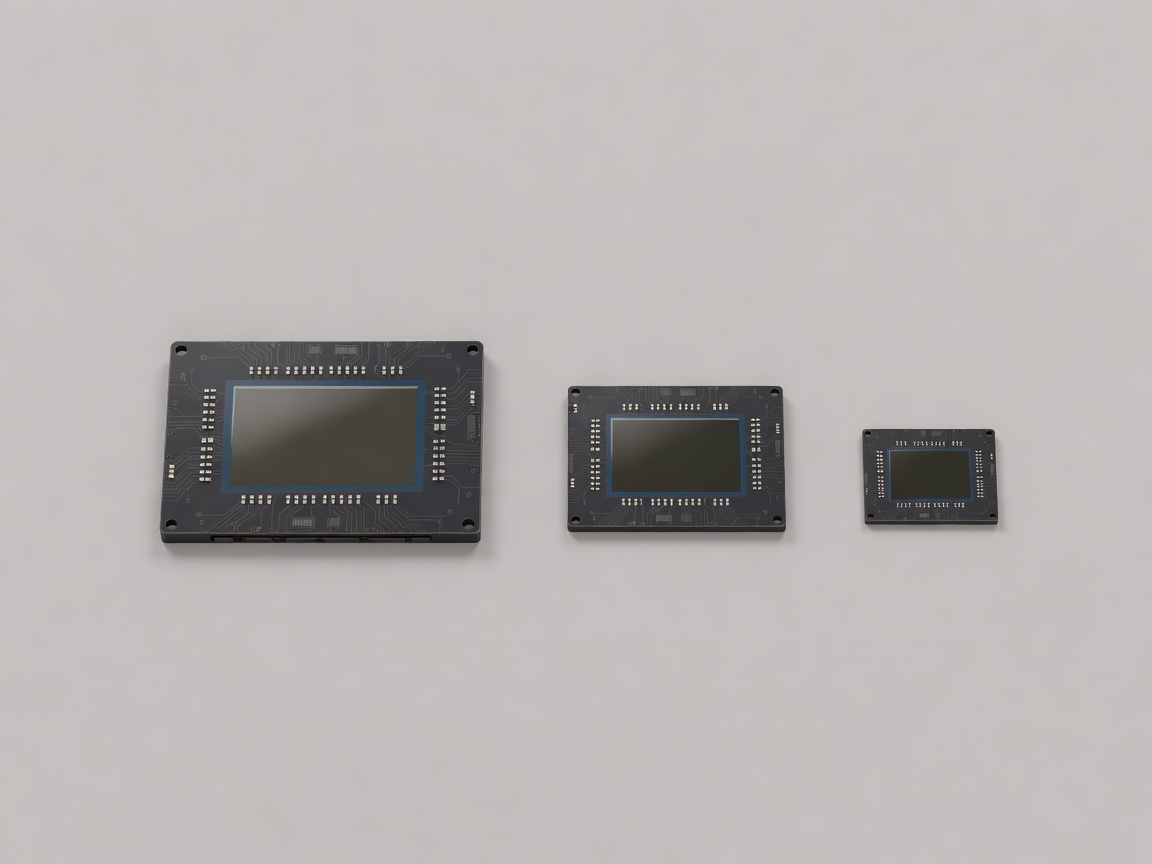
Sensors A visual comparison of Full Frame, APS-C, and Micro Four Thirds sensor sizes

The Physics of Light Gathering

A full-frame sensor has roughly 2.3 times the surface area of an APS-C sensor. This physical reality means larger pixels, resulting in less digital noise at high ISO settings. However, modern computational photography and advanced sensor architectures have narrowed this gap significantly in well-lit environments.
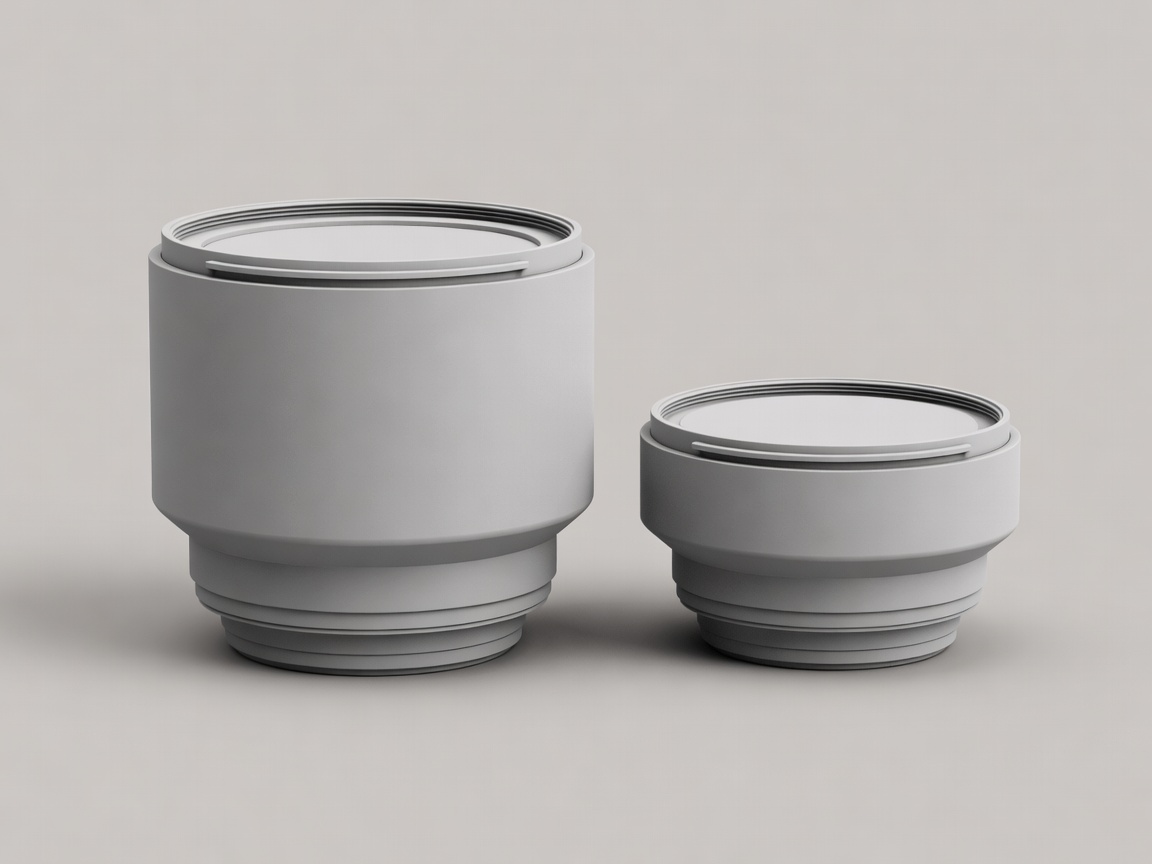
Lenses Two camera lenses showing the difference in diameter

The Glass Penalty

The true cost of a full-size system is the glass. A standard 70-200mm f/2.8 full-frame lens can weigh upwards of 1.5kg and measure 20cm long. A comparable equivalent field-of-view lens for a crop sensor can weigh half as much, fitting effortlessly into a standard daypack rather than requiring a dedicated hard case.